Committed to Our Postdoc Community
The Carver College of Medicine (CCOM) is committed to building a vibrant postdoctoral community and to providing a professional environment that will enrich your postdoctoral experience at Iowa. OGPS recognizes the unique challenges facing postdoctoral scholars and is committed to advocating for them. The Graduate College’s Office for Postdoctoral Studies (OPDS) is responsible for administrative matters relating to postdoctoral education at The University of Iowa. OPDS is the primary contact for postdocs, faculty mentors, departments, and colleges employing our postdoctoral network.
As a Postdoctoral Scholar at The University of Iowa, you have access to many of the opportunities and services we make available to students and have available several of the benefits provided to faculty. Postdoctoral Scholars at the UI are recognized as persons engaged primarily in research, as part of a continuum of post-Baccalaureate education and training, unique from either students or faculty members. The individual's classification, responsibilities, and benefits have been tailored to this unique status.
The University recognizes two classifications of Postdoctoral Scholars, depending on the sources of your stipend and research funding, and the nature of your research activities.
1. Postdoctoral Research Scholars are engaged in research supported by external grants or contracts or by University of Iowa General Education funds that may be made available to faculty members. Persons appointed under this classification (appointment code FP01) have specific responsibilities and research expectations directly related to the grant, contract, or University-funded program
2. Postdoctoral Research Fellows are supported by fellowships (generally awarded to them individually) that allow them to pursue research with a faculty member and a host institution of their choice. While the funding agency, department, or institution may expect some specific duties or research products, such expectations are usually incidental to the award. The primary obligation to accomplish the aims of the fellowship rests with the Fellow (appointed under code FP02).

Postdoc Portrait: Paras Gaur
Paras Gaur, PhD, a postdoctoral researcher in the Department of Biochemistry and Molecular Biology, focuses on unraveling the complex mechanisms of DNA damage, repair, and genome stability. Here he discusses how cells prevent the genomic instability that often drives cancer progression and explains the importance of his work in guiding future translational cancer therapeutics.
Q | What scientific problem are you trying to solve?
My favorite project focuses on understanding how cells process G-quadruplexes (G4s), which are noncanonical DNA structures that regulate transcription and replication but can drive genome instability when unresolved.
UIPDA Executive Board 2026-2027
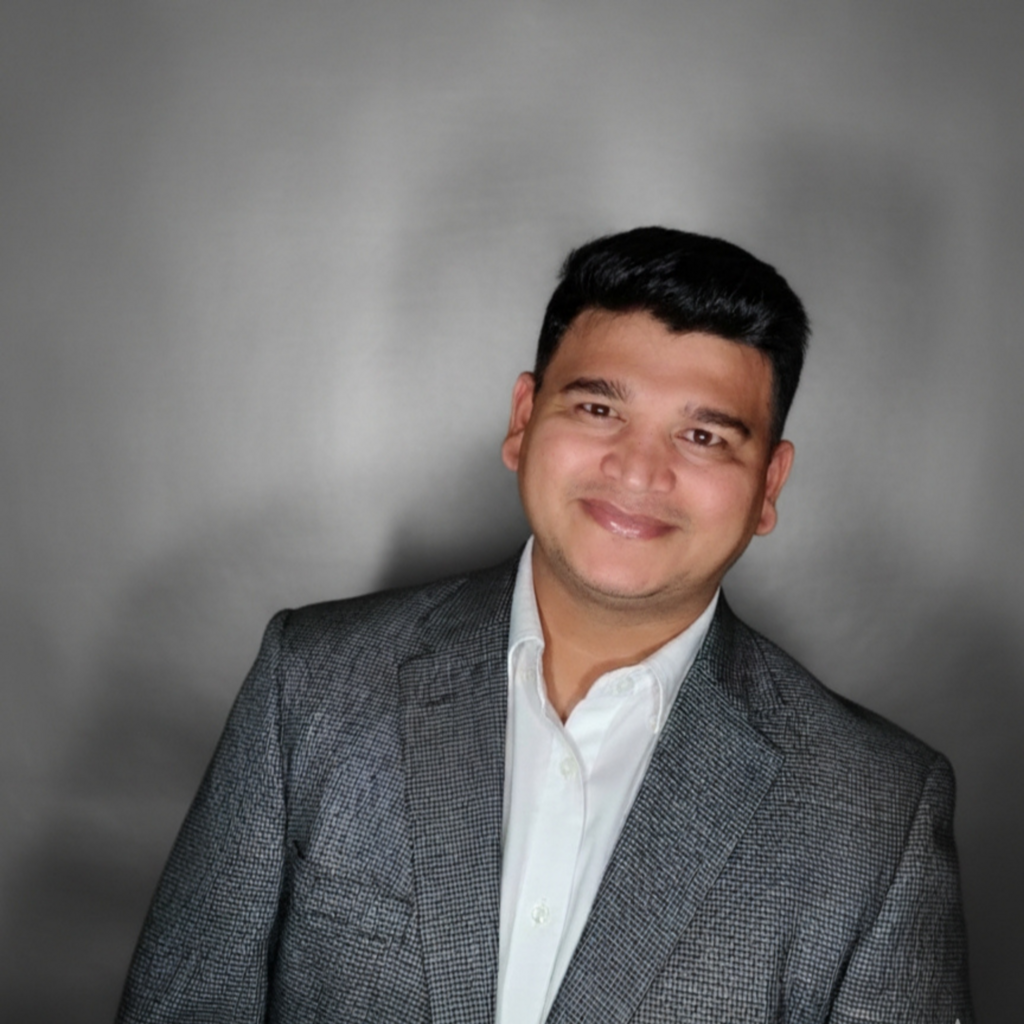
President
Paras Gaur, PhD
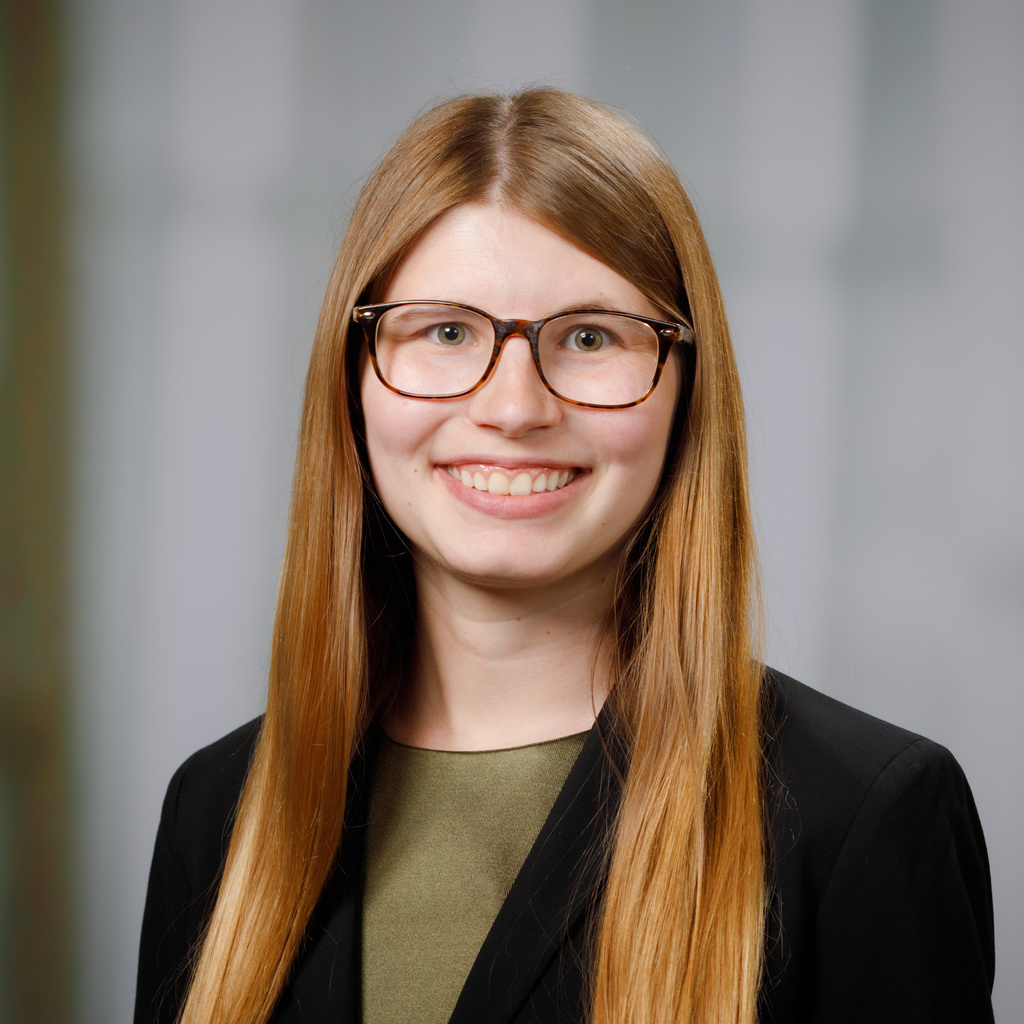
Vice-President
Rachel Kehrberg, PhD
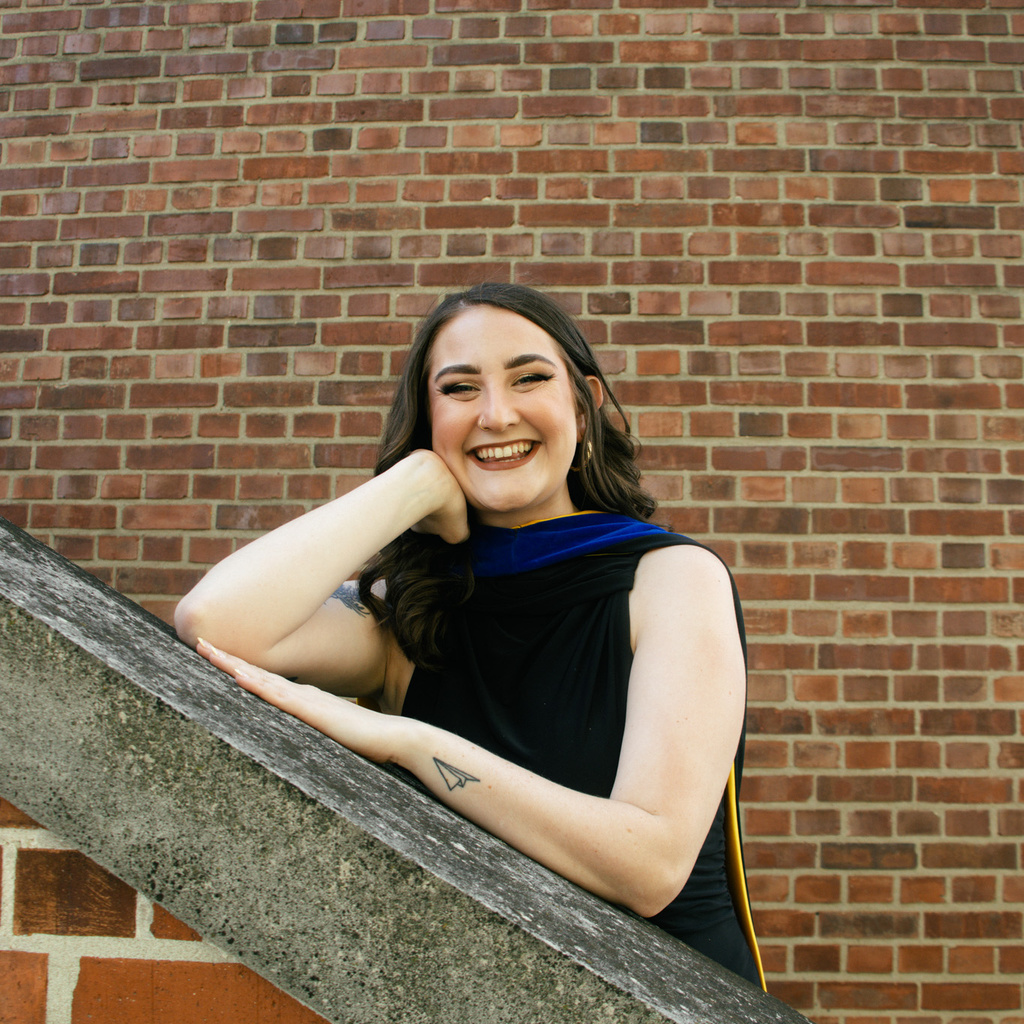
Secretary
Jordan E. Mayberry, PhD
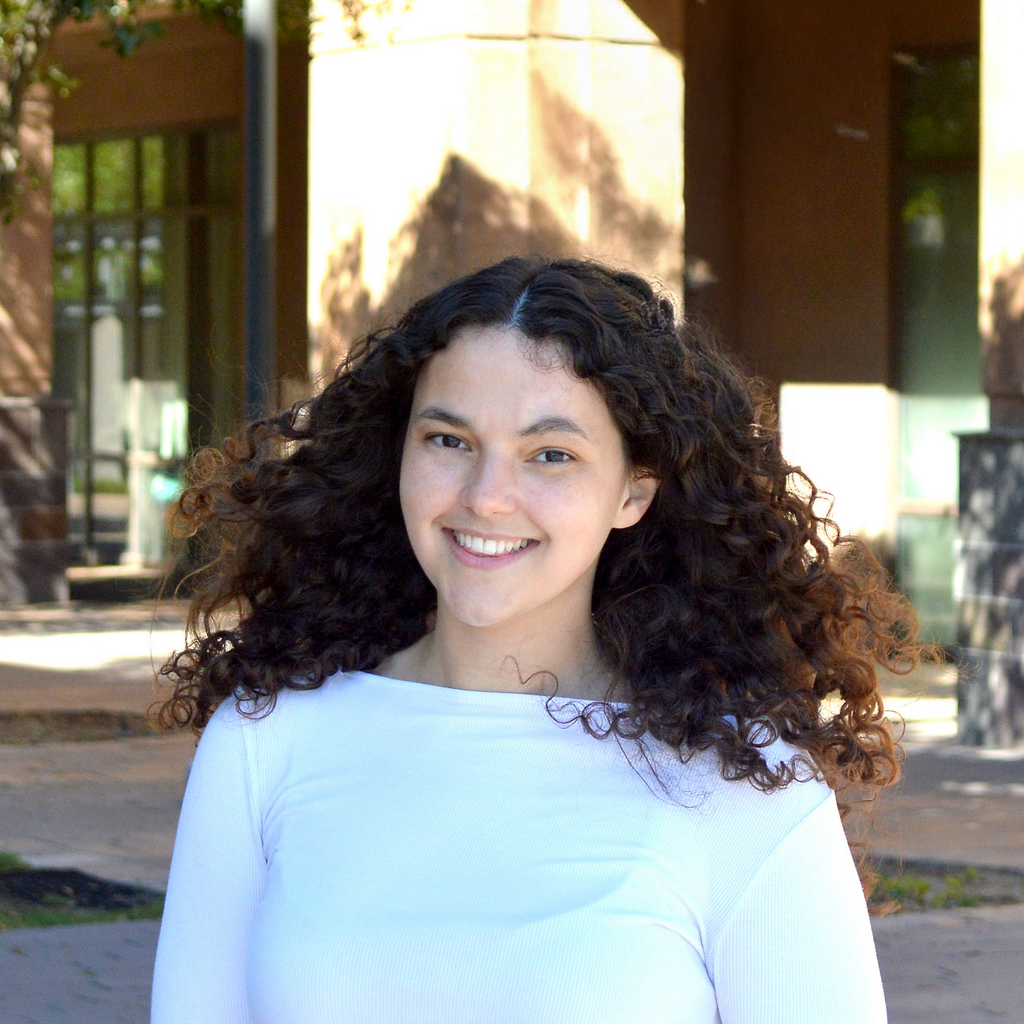
Treasurer
Kate Kragness, PhD
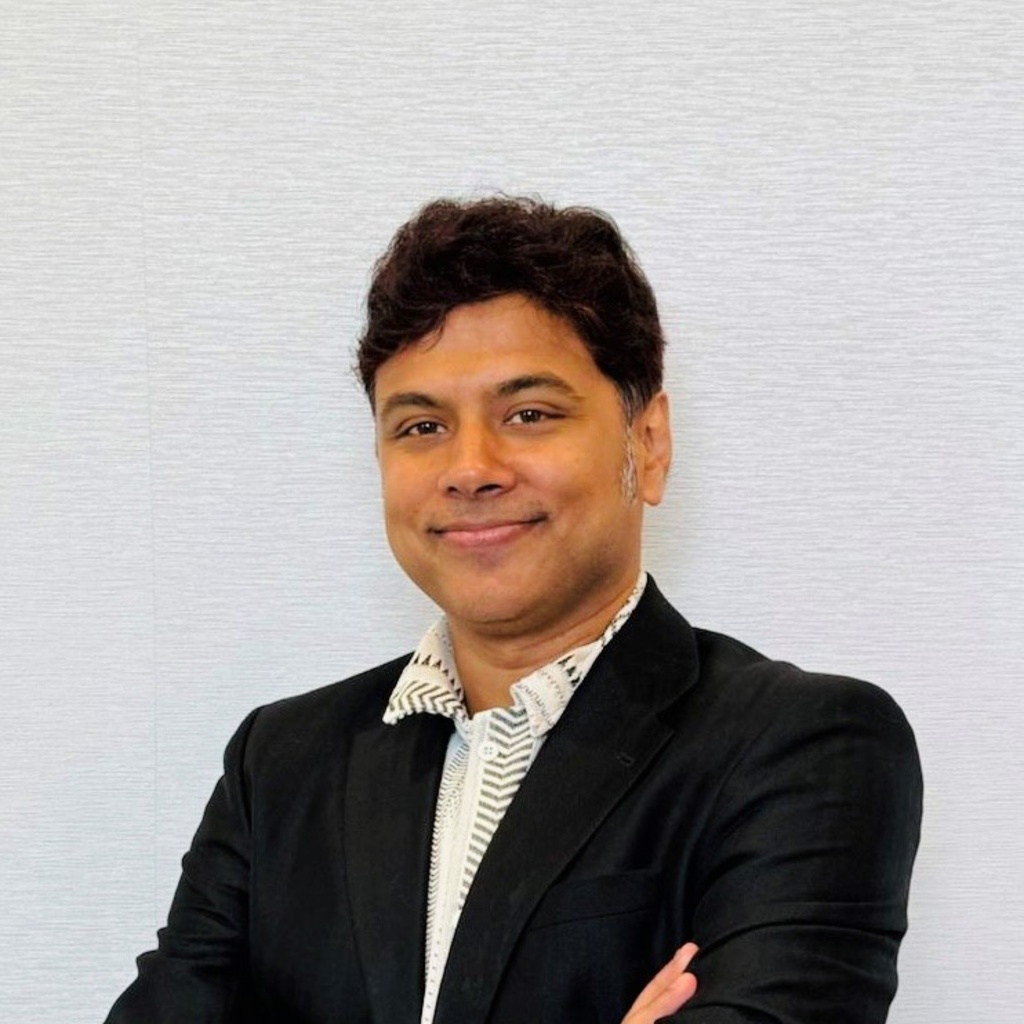
Communications Strategist
Prabuddha Sarkar, PhD
Travel Award Chair/Professional Development Events Coordinator
Saurabh Saini, PhD
Reporting a Grievance
If a postdoc scholar has a grievance about a faculty member, they should first try to resolve the grievance directly with the faculty member, per the Grievance Procedure, Item II found here. If that process is not available or successful, the grievance can be pursued by submitting an online grievance form, link provided above. If postdocs are uncomfortable or dissatisfied with this option, they can contact the Associate Dean of Graduate and Postdoctoral Studies (ADGPS).